
Introduction
Windows are more than just glass panes—they’re the eyes of a building. They bring in light, regulate airflow, provide views, and most importantly, contribute to a building’s energy efficiency, safety, and style. In a country like Nigeria where climate, security, and utility costs are significant considerations, Choosing the Right Window System is crucial for long-term success in residential and commercial construction.
At MOSOMTEE GLOBAL RESOURCES LIMITED, we specialize in Construction Support Services across Nigeria and have worked on numerous projects where choosing the right window system changed everything—from thermal comfort and energy bills to aesthetics and noise reduction. Drawing on our practical experience and deep knowledge of the Nigerian environment, this article will guide you through everything you need to know about selecting the best window systems for your next building project.
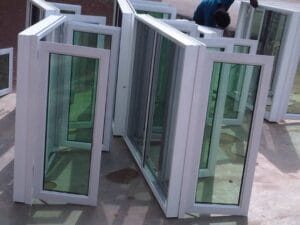
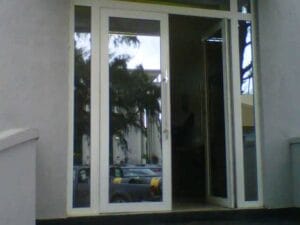
Choosing the Right Window System
Choosing the right window system in Nigeria involves more than just picking a style you like. It means considering:
- The local climate (hot, humid, rainy)
- Urban pollution and dust control
- Security risks in different regions
- Availability and cost of materials
- Ease of maintenance
When all these elements align, a good window system can significantly improve a building’s livability, reduce energy bills, and even boost property value.
Types of Window Systems Explained
Knowing the available options is half the battle. Here’s a breakdown of the most popular window types used in Nigerian buildings:
Fixed Windows
These are non-operable windows ideal for spaces where ventilation is not a priority but light and views are important.
- Ideal for stairwells, corridors, and tall buildings
- Air-tight and energy efficient
- Generally low maintenance
Casement Windows
Hinged at the sides and opening outward like doors, casement windows are great for airflow and offer a classic look.
- Provide full ventilation
- Create an airtight seal when closed
- Easy to clean and operate
Sliding Windows
They open horizontally on a track and are often used in modern Nigerian apartments and commercial spaces.
- Space-saving design
- Offer broad horizontal views
- Easier to maintain but less airtight
Awning and Hopper Windows
These types are hinged at the top or bottom and are ideal for bathrooms, basements, and kitchens.
- Hopper windows open inward; awning windows open outward
- Good for ventilation and protection from light rain
- Usually used in combination with larger fixed panes
Double-Hung and Single-Hung Windows
Popular in Western markets but gaining traction in urban Nigerian homes, these windows slide vertically.
- Ideal for limited exterior space
- Offer layered ventilation
- More complex to clean
Bay and Bow Windows
These are not very common in Nigeria but are used in luxury homes to add character and increase indoor space.
- Extend outward from the wall
- Offer panoramic views
- Boost natural light
Window Frame Materials: What Works Best in Nigeria?
Nigeria’s tropical climate demands frame materials that can withstand heat, humidity, and heavy rainfall. Here’s a quick comparison:
| Material | Pros | Cons |
|---|---|---|
| uPVC (Vinyl) | Low cost, rust-resistant, energy efficient | Limited color options, may warp under extreme heat |
| Aluminum | Durable, modern appearance, termite-proof | Conducts heat, less insulating unless thermally broken |
| Wood | Elegant, natural insulator | Requires regular maintenance, vulnerable to pests |
| Fiberglass | Highly durable, stable in hot climates | More expensive and not widely available in Nigeria |
| Steel | Extremely strong, high security | Prone to rust if not galvanized or coated properly |
In Nigeria, uPVC and aluminum remain the most practical options due to their affordability, availability, and durability.
Consider Climate When Choosing the Right Window System
With Nigeria’s diverse climate zones, from the humid coastal areas of Lagos to the dry heat of the north, tailoring your window choice to your region is essential.
For Hot & Humid Areas (e.g., Lagos, Port Harcourt)
- Use reflective or tinted double-glazed glass to reduce solar heat gain
- Choose corrosion-resistant materials like aluminum
- Prioritize ventilation with casement or awning windows
For Drier Regions (e.g., Abuja, Kano)
- Look for windows with dustproof seals
- Use windows that provide cross ventilation to reduce the need for air conditioning
- Consider uPVC for better insulation and low maintenance
 Energy Efficiency: A Smart Investment
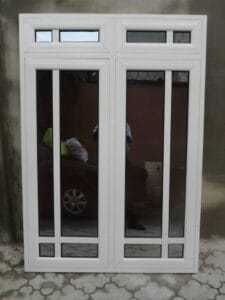 Energy Efficiency: A Smart Investment
Energy efficiency is becoming more important as electricity tariffs rise and Nigeria’s energy crisis continues. Windows can be a major source of heat gain, so choosing energy-efficient systems can reduce cooling costs by up to 30%.
Energy-saving features to consider:
- Low-E Glass: Reflects solar heat while allowing light
- Double Glazing: Two panes reduce heat and noise
- Inert Gas Fills: Argon gas between panes adds insulation
- Tight Seals: Prevent air leakage and improve cooling efficiency
These features help buildings remain cooler, reducing reliance on air conditioners—especially useful during power outages.
Aesthetic Appeal and Design Choices
Windows shape the character of a building. Depending on the architectural style and purpose, the right design can add both functionality and visual value.
- Modern Designs: Prefer slim aluminum frames with large, clear glass panes
- Traditional Styles: Use wood or colonial grid patterns for charm
- Urban Office Buildings: Opt for full-height glass curtain walls or sliding aluminum systems
Let the building’s purpose guide your aesthetic decisions. A home may value warmth and ventilation, while an office may require natural light and professional appearance.
Budget Considerations
Affordability is key when working with tight budgets, especially in construction. Here’s how costs typically break down:
- Material Cost: Wood and composite frames are the most expensive; uPVC is more affordable
- Glass Options: Low-E and double-glazing add to cost but save money over time
- Customization: Unusual shapes or sizes increase manufacturing time and costs
- Installation: Professional installation prevents future costs from leaks or poor performance
Working with a reliable service provider like MOSOMTEE GLOBAL RESOURCES LIMITED ensures you get the best value for your budget.
Security and Noise Reduction
In many parts of Nigeria, security is a major concern. Your window system must serve as a line of defense without compromising aesthetics.
For Security:
- Install multi-locking mechanisms
- Use tempered or laminated glass
- Opt for steel or reinforced aluminum frames
For Noise Control:
- Use acoustic laminated glass
- Install double-glazed units with gas fills
- Choose airtight systems to prevent sound leaks
These are particularly useful in high-traffic urban centers like Lagos, where noise pollution can be overwhelming.
The Importance of Professional Installation
Even the most advanced window systems will fail if installed poorly. Always ensure that:
- Installers are experienced and certified
- Frames are sealed correctly to prevent air and water leaks
- The installation team follows structural safety regulations
At MOSOMTEE GLOBAL RESOURCES LIMITED, we ensure every window is installed with precision, safeguarding its performance and lifespan.
Maintenance and Longevity
Keeping windows functional and attractive is easier with the right maintenance:
- uPVC: Clean with mild soap; avoid abrasive materials
- Aluminum: Wipe down with a damp cloth and apply anti-rust spray periodically
- Wood: Repaint or reseal every few years to prevent moisture damage
A good maintenance routine can extend the lifespan of your windows to 25 years or more.
Mistakes to Avoid When Choosing the Right Window System
- Neglecting Climate Factors: One-size-fits-all doesn’t work in Nigeria
- Prioritizing Looks Over Function: It’s not just about beauty
- Using Unskilled Labor: Poor installation ruins performance
- Ignoring Long-Term Costs: Cheaper upfront could mean higher bills later
- Forgetting About Security: Windows are often vulnerable points
Avoiding these pitfalls ensures you enjoy full value from your investment.
FAQs
What is the best window system for Nigerian homes?
Casement or sliding windows made with aluminum or uPVC and double-glazed glass offer a balance of durability, affordability, and insulation.
Do energy-efficient windows make a big difference in Nigeria?
Absolutely. They reduce heat entry, which means lower cooling costs and better comfort—especially in hot regions.
Can I use wooden frames in coastal areas?
Wood is not ideal for humid, coastal areas due to moisture damage unless it’s specially treated or laminated.
Are double-glazed windows necessary in Nigeria?
Yes, especially in cities with high noise levels or homes using air conditioners frequently.
How long do good window systems last?
With proper installation and maintenance, they can last between 20 to 30 years.
Is uPVC better than aluminum for windows?
Both are good. uPVC insulates better, while aluminum is more durable and modern-looking.
Can I mix different window types in one building?
Yes, as long as they meet the design and functional needs of each room.
Should I replace old windows or repair them?
If they are over 15 years old and showing signs of wear, replacement is more cost-effective in the long run.
What glass options are best for privacy?
Frosted, tinted, or reflective glass are popular options for bathrooms and front-facing windows.
How much does a good window system cost in Nigeria?
Prices vary by size, material, and features, but expect to spend ₦50,000 to ₦400,000 per unit for quality systems.
Conclusion
Choosing the Right Window System is one of the smartest decisions you can make for any building project in Nigeria. It’s not just about aesthetics—it’s about comfort, energy savings, and long-term peace of mind. Whether you’re working on a new build or a renovation, partnering with a trusted provider like MOSOMTEE GLOBAL RESOURCES LIMITED ensures you get expert advice, quality materials, and professional installation every step of the way.
Let your windows work as hard as you do. Choose smart, build better, and invest in a view that adds value — every day.

No comment